Designing Beautiful Spanish Colonial Architecture and Classic Spanish Homes
You might want a home style that blends rustic warmth with timeless curb appeal. Many homeowners lean toward a Spanish villa aesthetic because it feels naturally grounded, welcoming, and deeply connected to traditional craftsmanship.
True Mexican house design and classic Spanish colonial architecture rely on thick stucco walls, warm earth tones, and handcrafted details. These elements give pretty houses a sense of history while staying entirely comfortable for modern daily living.
Looking at modern Spanish style homes exterior choices reveals how well traditional details adapt to current tastes. Traditional Spanish homes often mix textured plaster with dark timber accents, creating an exterior that looks both established and fresh.
A broader Mediterranean house aesthetic works wonderfully when you want to emphasize outdoor living spaces and natural light. Pairing a warm Spanish house aesthetic with durable materials helps your property handle daily wear while keeping its charm.
Spanish colonial style homes offer endless inspiration for thoughtful exterior updates. Let us look at five key design elements that bring this look together.
#1 Understanding Spanish Colonial Exterior Walls and Stucco
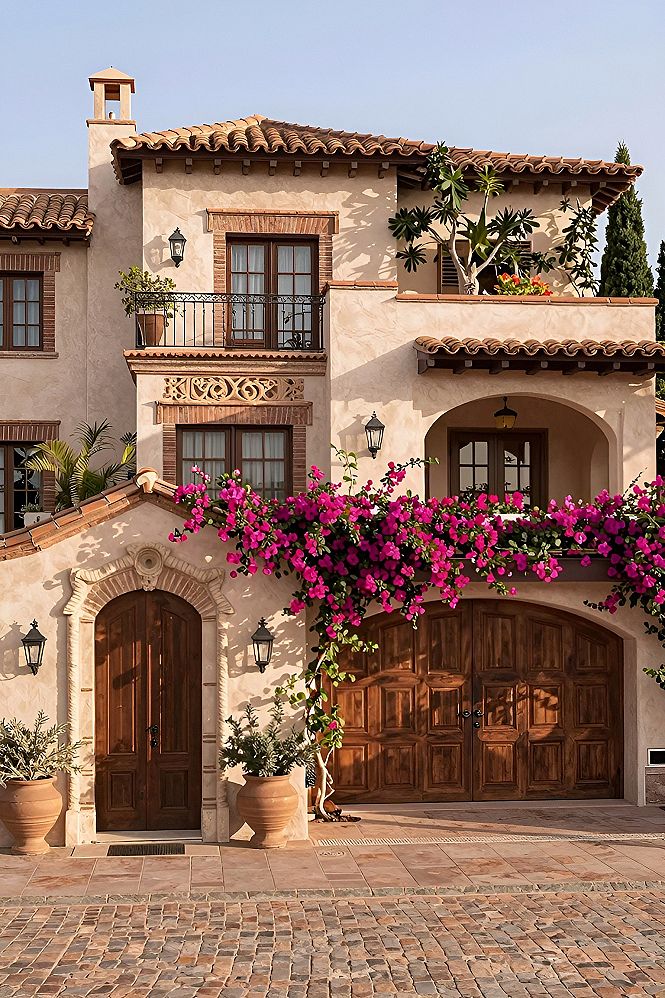
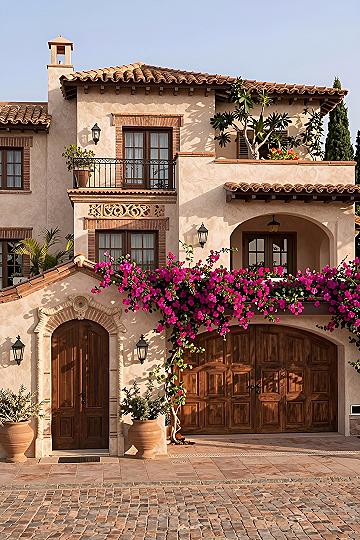
Spanish Colonial architecture relies heavily on thick, textured stucco walls to keep interiors cool in warm climates. This style uses neutral plaster finishes that catch the sunlight and create soft shadows throughout the day. The smooth yet rustic wall texture serves as a durable foundation for the entire home.
When updating or planning your own stucco exterior, choose warm earth tones like beige, cream, or light tan. Avoid bright white paint, which can look too modern for traditional designs. Keep the finish slightly imperfect by hand- troweling the plaster for an authentic, aged appearance.
#2 Incorporating Decorative Staircase Tiles in Spanish Homes
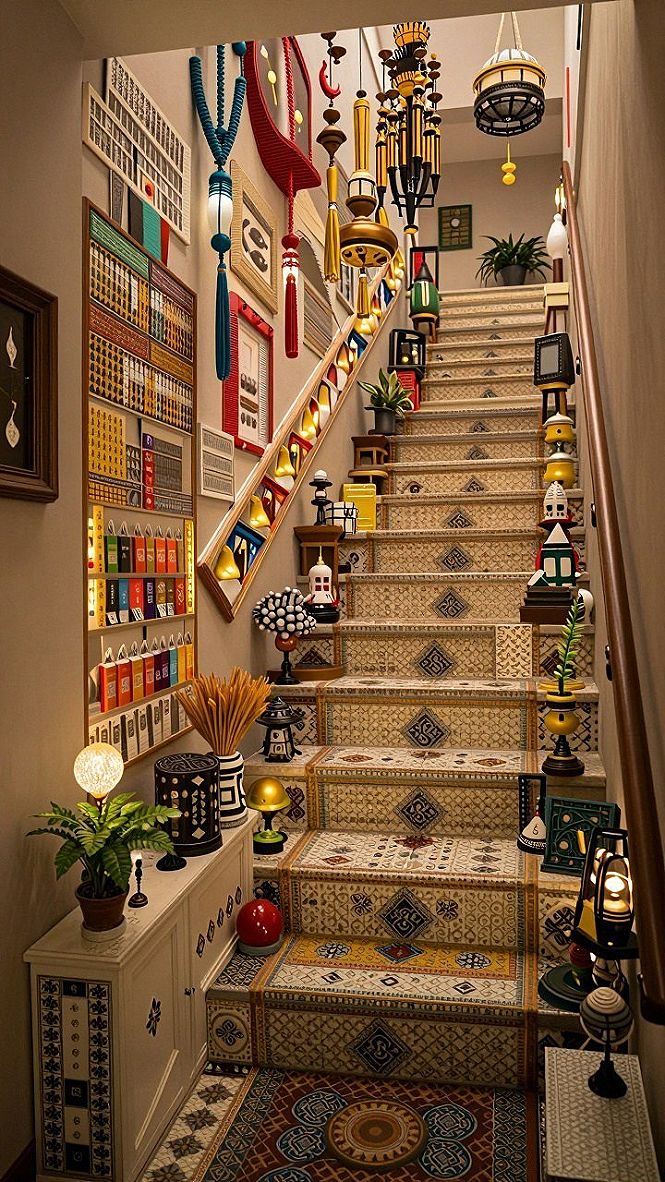
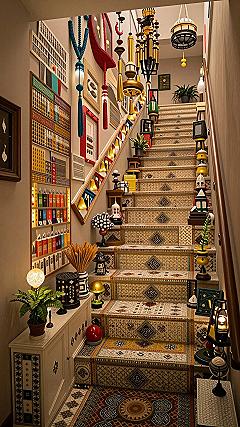
Adding patterned ceramic tiles to stair risers is a smart way to bring authentic Spanish character into a hallway or multi-level space. This design choice works so well because it draws the eye upward, turning a simple functional staircase into a striking decorative feature without needing extra clutter or wall art.
Homeowners renovating older properties or building from scratch can use this approach to anchor a neutral entryway. You can expect the colorful patterns to add instant warmth and personality, making daily transitions between floors feel much more intentional and visually engaging.
#3 Selecting Courtyard Layouts for Spanish Colonial Homes
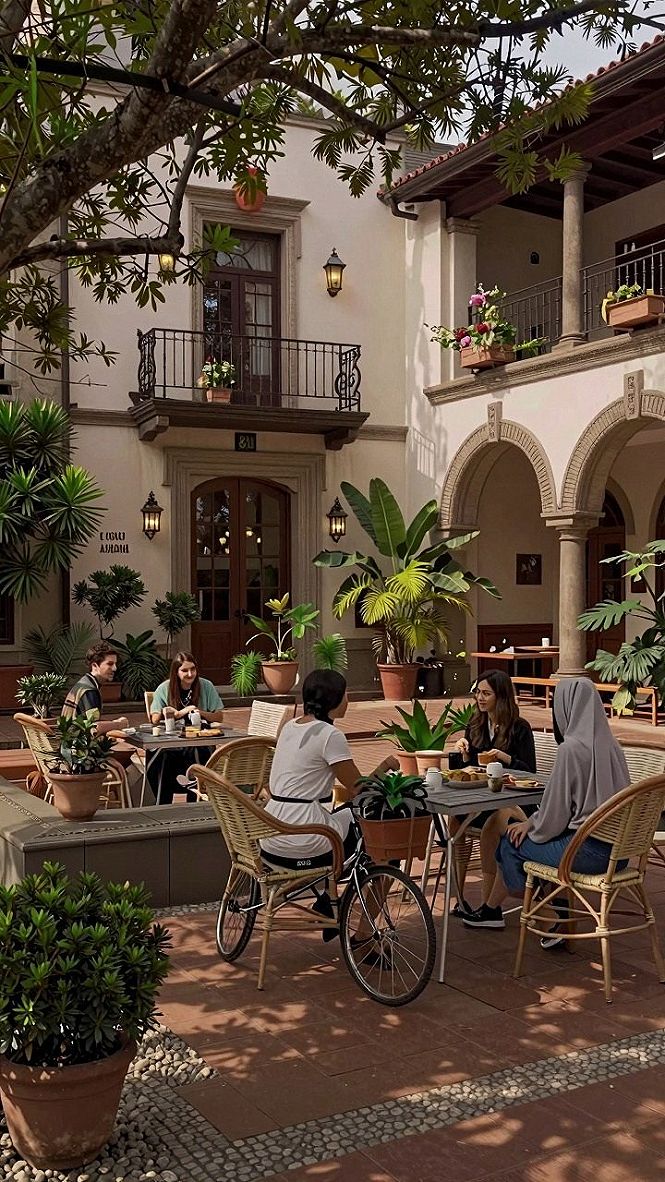
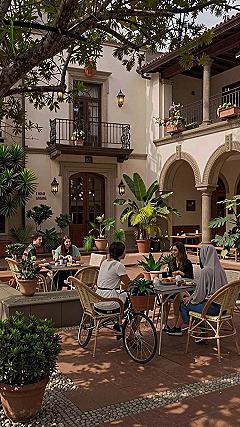
When you plan a traditional courtyard, you need to decide how the open center connects to the surrounding rooms. Focus on creating a central gathering spot that links indoor and outdoor living areas smoothly. A square or rectangular layout works best for traffic flow, letting you walk easily between shaded corridors and sunny patio zones.
You can scale this design approach to fit your available budget and yard size. If space is tight, a smaller fountain and simple potted plants give you the same historic feel without major hardscaping costs. For larger properties, add covered walkways and paved stone paths to create distinct zones for dining or relaxing outdoors.
Which architectural style speaks to you?
#4 Adding Indoor Water Features to Traditional Spanish Homes
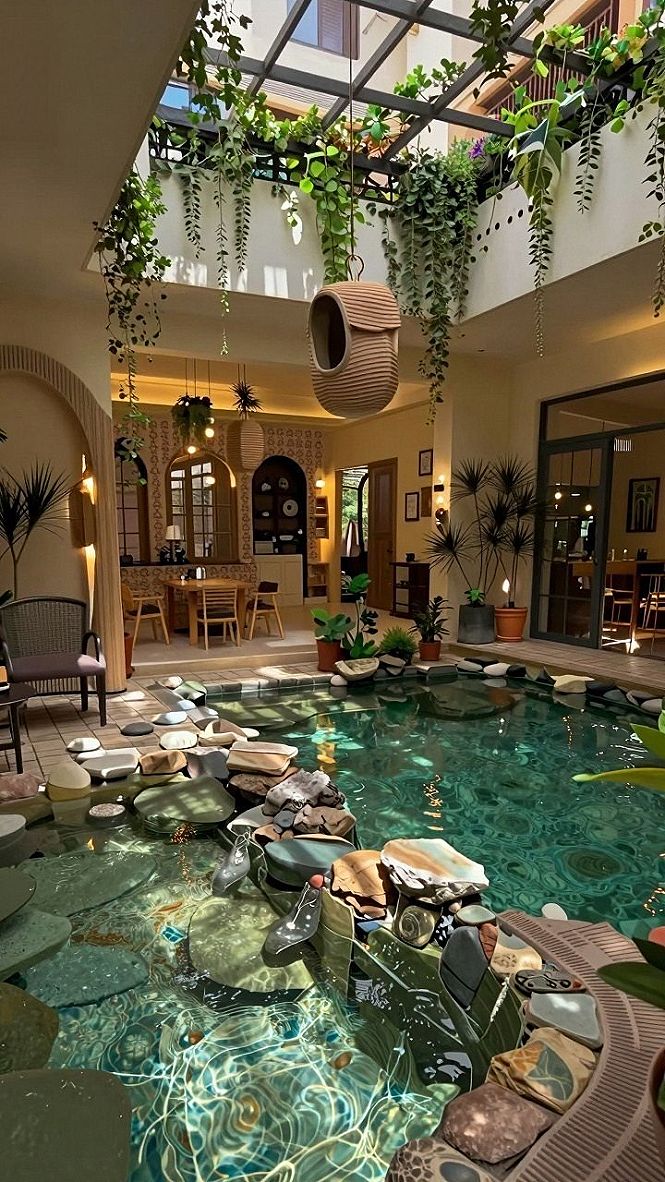
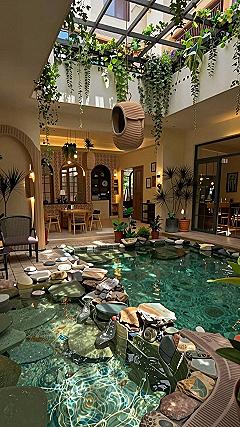
Bringing water features inside an atrium or central hall helps cool the air naturally. Flowing water creates a peaceful sound that masks street noise. To make this work, you must plan your waterproofing carefully. Good drainage protects your foundation and keeps moisture levels balanced throughout the surrounding living spaces.
Keep indoor ponds clean by choosing a simple filtration system that is easy to reach for routine checks. Use hardy, low-light plants around the edge to soften the hard stone or tile borders. Test the water hardness often to prevent mineral buildup on nearby walls and paving stones so your setup stays neat with minimal effort.
#5 Creating Bright Glass Roof Patios in Spanish Homes
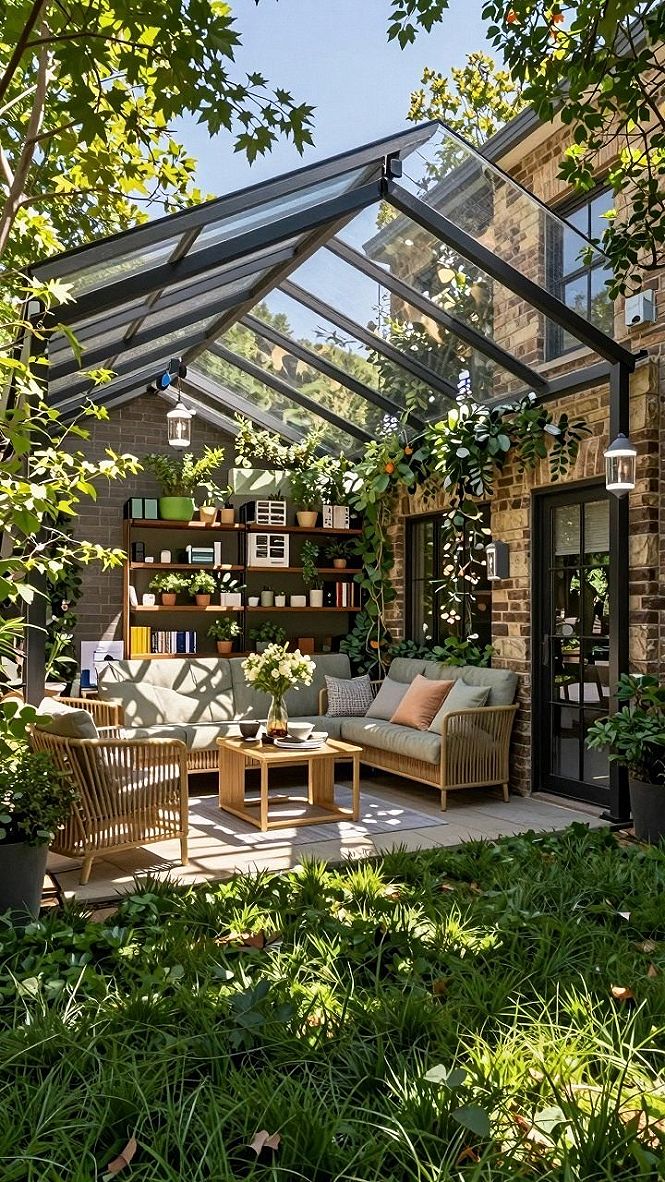
I suggest adding a glass roof patio to bring plenty of natural sunlight into your living space while keeping you protected from rain. This design choice helps you enjoy outdoor garden views all year round without dealing with harsh weather or strong wind gusts.
If full glass feels too warm during summer months, you can install retractable shades or light fabric panels underneath the roof beams. This simple addition lets you control the indoor temperature easily while keeping the bright and open feel of your patio intact.
What's Your Architecture Personality?
Tap the look that speaks to you most:
Leave a Comment